
Romanian Citizenship by Descent: Check Your Eligibility
Your Family's Romanian Roots Could Be Your EU Passport
A parent, grandparent or great-grandparent born in Romania, Bessarabia, Northern Bukovina or Southern Dobruja?
We verify your ancestor’s citizenship status, identify the route that fits your family line and prepare your citizenship file.

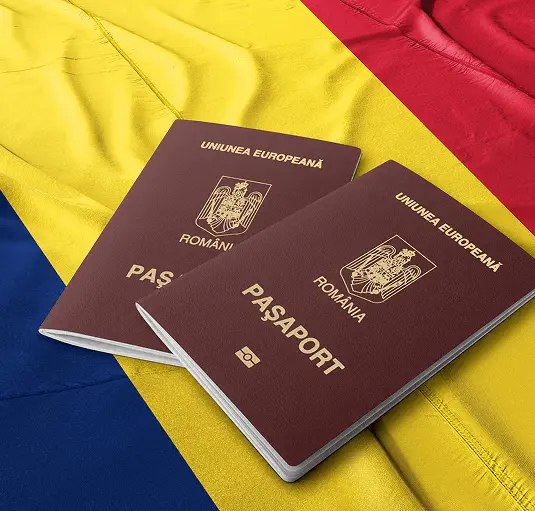
Why Romanian Citizenship, and Why Now?
Romanian citizenship by descent is one of the few remaining routes to EU citizenship through ancestry, and it works through a legal right, not an investment. Rules were tightened in 2025, so a well-prepared file matters more than ever.
- Live, work, study and retire in any of the 27 EU member states
- Visa-free or visa-on-arrival travel to over 170 destinations
- Dual citizenship is allowed, so you keep your current passport
- Pass Romanian citizenship to your minor children
- No investment, no property purchase and no move to Romania
Who Is Eligible?
You may qualify for Romanian citizenship by descent if:
✓ A parent, grandparent or great-grandparent was a Romanian citizen
✓ Your family is from a territory that belonged to Romania between 1918 and 1940
✓ Citizenship was lost through emigration, border changes or political events
✓ You can prove an unbroken line of descent through civil documents

Regions that count
- Modern-day Romania
- Bessarabia (today's Republic of Moldova)
- Northern Bukovina, including Cernăuți (today in Ukraine)
- Hertsa region and Southern Bessarabia (Budjak)
Legal Basis: Article 10 vs Article 11
Applies to
Former Romanian citizens who lost citizenship, and their descendants
Generations
Up to the 2nd degree: children and grandchildren
Typical research
Citizenship records and proof of how citizenship was lost
Example
Grandparent stripped of citizenship under the communist regime
Applies to
Descendants of people born in Romanian territory as it was between 1918 and 1940
Generations
Up to the 3rd degree: children, grandchildren and great-grandchildren
Typical research
Civil records from a specific territory and period, often in archives outside Romania
Example
Great-grandparent born in Bessarabia or Northern Bukovina
Direct recognition: if at least one parent was a Romanian citizen when you were born, your case is usually a simple civil record registration.
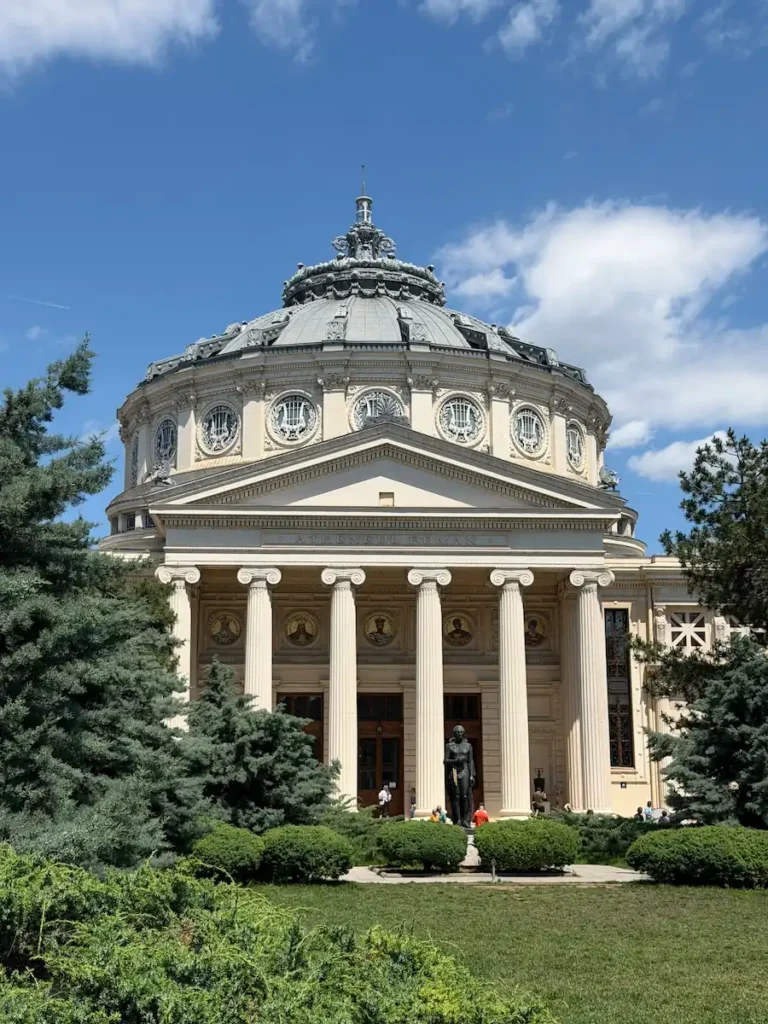
Do You Need to Speak Romanian? Check Before You Enroll in a Course.
Since March 2025, applicants are generally expected to show B1-level Romanian (everyday conversation, reading and writing), proven by a certificate from an accredited institution or by 3 years of Romanian-language study. Failing to provide proof can freeze an otherwise perfect file.
Exemptions reported
- Applicants aged 65 or over at submission
- Minors under 18, who acquire citizenship with their parents
- Former Romanian citizens reapplying
- Certified medical conditions that prevent learning the language
Rules and practice change. We verify your status and tell you whether you need the certificate or are exempt.
Document Checklist: What You Actually Need
Most delays come from incomplete, wrongly translated or uncertified documents, not from the law. A complete file usually includes:
- Your valid passport, long-form birth certificate and marriage certificate if your surname changed
- Clean police records from your country of residence and from Romania
- Your ancestor’s Romanian birth certificate or proof of birth in a former Romanian territory
- Birth and marriage certificates for every generation between you and your ancestor
- Naturalization or loss-of-citizenship records, where relevant
- Apostilles and certified Romanian translations for all foreign documents
- B1 certificate or proof of exemption
Most common mistake: documents that are correct one by one but do not form an unbroken chain, such as a surname spelled differently on a birth and a marriage certificate. Romanian authorities read the file as one chain of evidence.
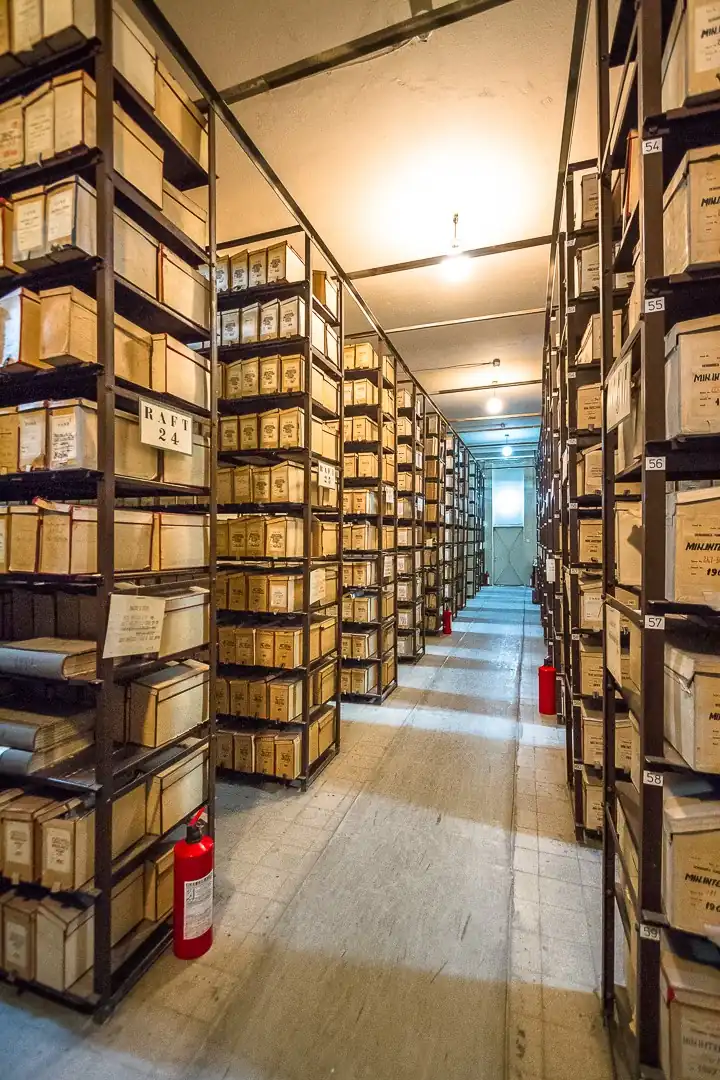
Missing a Birth Certificate? We Dig in the Archives.
The ancestor’s record is often the hardest piece. Registers are spread across archives in Romania, Moldova and Ukraine, written in Romanian, Cyrillic or Hebrew, with spelling variants and changed place names. We request official searches from the National Archives and civil status offices and read the registers for you.
Frequently Asked Questions
Sources: Law 21/1991 on Romanian citizenship, as amended; National Authority for Citizenship (cetatenie.just.ro). Information is general and was last reviewed in October 2026.
No. Romania allows dual and multiple citizenship, so you can keep your current passport, provided your home country also allows it.
No. Citizenship by descent does not require residence or property in Romania.
Most applicants must show B1-level Romanian. Exemptions are reported for people aged 65 or over, minors, former citizens reapplying and certified medical cases. We verify your case.
Article 10 covers descendants up to the second degree. Article 11 covers up to the third degree, which includes great-grandchildren.
Official searches can be requested from the National Archives of Romania and Moldova and from civil status offices. We handle the search and the reading of the registers.
No one can. The decision belongs to the National Authority for Citizenship. We make sure your file is complete, consistent and correctly legalized.